The headline most homeowners do not expect
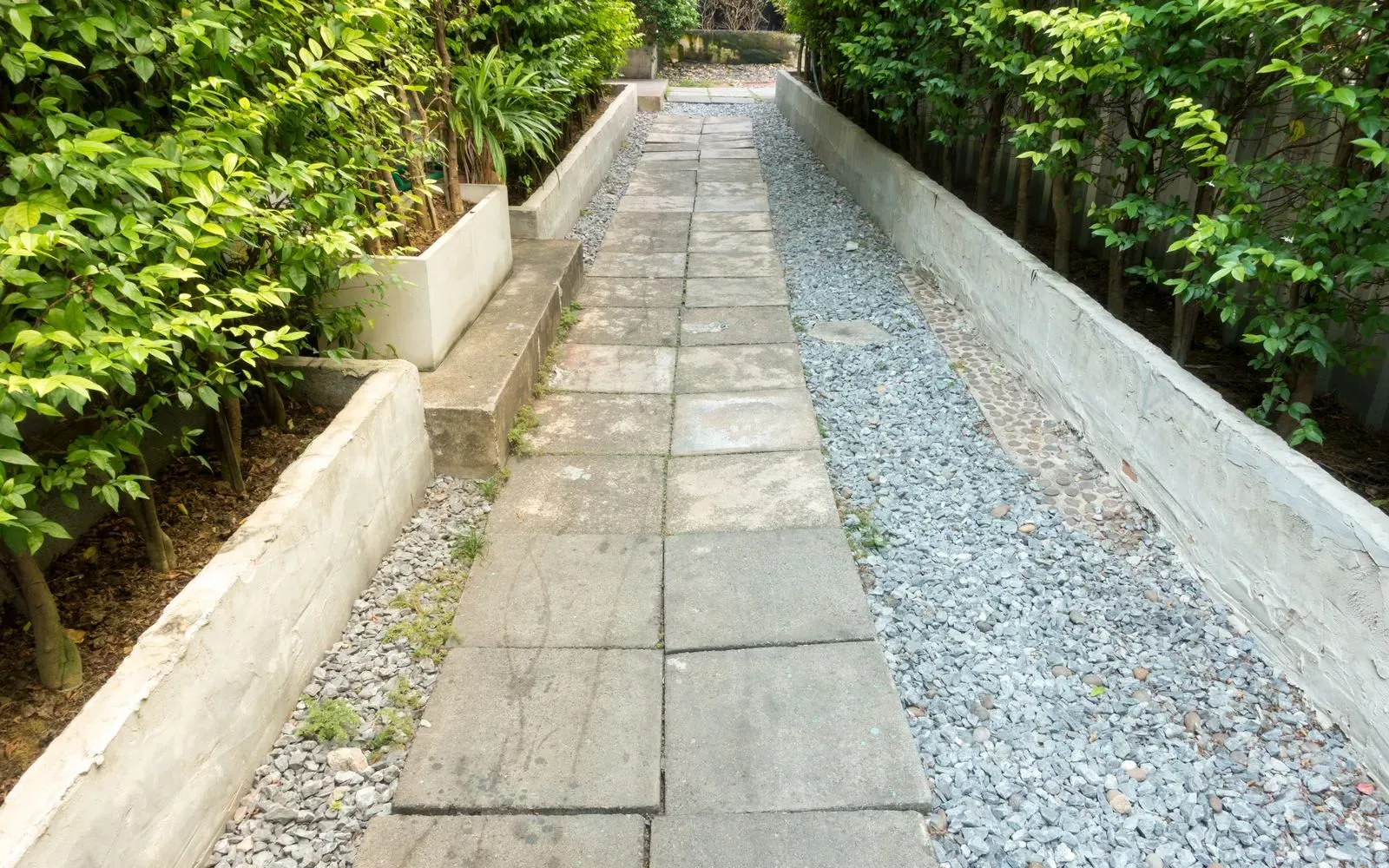
A standard patio needs no building permit here. On-grade paver, natural stone, and concrete patios generally do not require a building permit in Knox County, the City of Knoxville, or the surrounding suburbs. That single fact removes a layer of imagined bureaucracy from the region's most common outdoor project, and it is confirmed by the residential codes guidance published by the local jurisdictions. When in doubt for a specific address, the county or city codes office answers the question in one call, and a licensed contractor will know before you ask.
What does trigger a permit
- Roofed structures. Pavilions, covered patios, and roofs attached to the house need a building permit. Footings, wind uplift, and attachment points are engineered items. Open pergolas vary by size and attachment, so confirm locally.
- Decks above a height threshold. Low platforms may be exempt; elevated decks are permitted structures with inspection points.
- Outdoor kitchens, once utilities arrive. Gas lines and electrical circuits require permitted work by licensed trades. A plain uncovered island without utilities may avoid permits; most serious outdoor kitchens do not.
- Regulated sites. Floodplains, drainage easements, and steep slopes carry their own review in every jurisdiction, including for otherwise-exempt flatwork. Lakefront parcels see this most.
- Significant retaining walls. Low garden and seat walls are generally fine; walls beyond local exempt heights need permits and engineering. (Structural retaining walls are their own discipline and outside this site's project scope.)
The licensing side: Tennessee's $25,000 line
Separate from permits, Tennessee draws a bright licensing line: any project at or above $25,000 in total cost requires a contractor licensed by the Tennessee Board for Licensing Contractors. Total cost means the whole project, materials and labor together, and splitting one job into smaller contracts to slip under the line is not a lawful workaround. In hardscape terms: most outdoor kitchens beyond a grill station, many full paver driveways, larger patio projects, and nearly every complete outdoor living build require a state-licensed contractor as a matter of law.
Below that line, Tennessee runs a Home Improvement license program for residential remodel and improvement work in counties that adopt it, and Knox County is an adopting county. So even a $12,000 patio in Knox County sits under a licensing regime, just a different one.
How to verify any license in two minutes
Tennessee contractor and home improvement licenses are public record, searchable through the state's license verification system linked from the Board for Licensing Contractors page. Search the business name from the bid, confirm the license is active and the classification fits the work, and note the monetary limit on the license, which caps the project size the contractor may take. Any legitimate contractor expects this check and will hand over the license number without friction.
Why an honest permit page sits on a referral site
Knox Outdoor Living is a marketing service, not a contractor, and the value of the referral depends on the contractor being properly licensed and the work properly permitted. The contractors homeowners are connected with are asked to meet exactly the standards this page describes: licensed where Tennessee requires it, insured, providing written itemized estimates, and carrying the permit process for the parts of a project that need it. If a bid from anywhere, this site included, cannot clear this page's checklist, keep the checklist and drop the bid.
Sources
- Tennessee Board for Licensing Contractors, Tennessee Department of Commerce and Insurance (license thresholds and verification)
- Knox County and City of Knoxville residential building codes guidance (permit triggers and exemptions)
This page is general information, not legal advice. Confirm specifics for your address with the local codes office or a licensed contractor.